




Frequently Asked Questions
Red light therapy is a non-invasive treatment that uses specific wavelengths of red (660nm) and near-infrared light (850nm) to support cellular function, circulation, and recovery.
Elite Wellness Company's therapy devices are engineered to deliver these wavelengths at consistent, clinical-grade intensity using advanced LED technology. This allows for effective use across skin health, scalp health, muscle recovery, and overall wellness, without UV exposure or excessive heat.
Red light therapy works by supporting mitochondrial activity within cells.
When red and near-infrared light penetrate the skin, they stimulate the mitochondria to produce more adenosine triphosphate (ATP), which is the energy source used for cellular repair and function.
This process, known as photobiomodulation, has been studied extensively, with thousands of clinical studies exploring its effects on recovery, skin health, and inflammation.
Red light therapy is a popular part of many home wellness routines. Results vary by person and device, so follow the manufacturer's guidelines for your model.
660nm is red light. 850nm is near infrared light, which is a longer wavelength. Many devices combine both.
Panels target part of the body and beds target the entire body at once. Goals and target areas dictate which is the best fit for you.
This depends on your personal needs/goals and the manufacturer instructions. For example, our iRESTORE Elite red light helmet is intended to be used for 12 minutes daily.
Follow the manufacturer's guidelines for your device. Consistency is key. Results depend on the goal and device.
Red light therapy is widely considered safe when used as directed.
The devices we carry at Elite Wellness Company are engineered with built-in safety features, including controlled session timing and thermal management systems. They do not emit UV light and are designed to operate within safe intensity ranges.
As a precaution, users with specific medical conditions or sensitivities should consult a healthcare provider before use.
Always follow the manufacturer's eye-safety instructions for the specific device. If eye protection is recommended, use the protection supplied or specified by the manufacturer.
Choosing your red light therapy system
KEY FACTORS TO EVALUATE:
1. Wavelength Accuracy
The single most important factor. Therapeutic effects are achieved at specific wavelengths — primarily 630–660 nm (red) and 810–850 nm (near-infrared). Many budget devices emit light that looks red but delivers wavelengths outside the therapeutic window. Always verify with independent spectral analysis, not manufacturer marketing.
2. Irradiance (Power Density)
Measured in milliwatts per square centimeter (mW/cm²). Insufficient irradiance means inadequate photon delivery to target tissue — regardless of session length. Clinical protocols typically require 20–100+ mW/cm² at treatment distance. Look for devices tested at the specified treatment distance, not at the LED surface.
3. Treatment Area Coverage
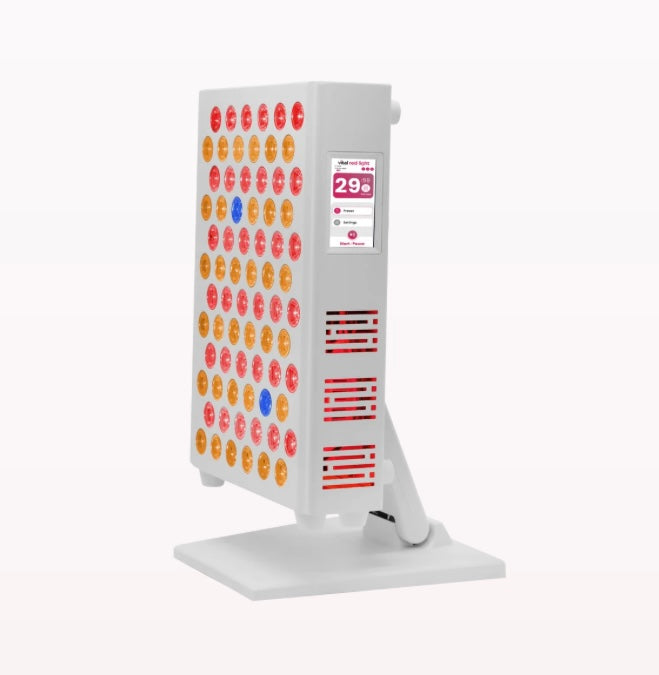
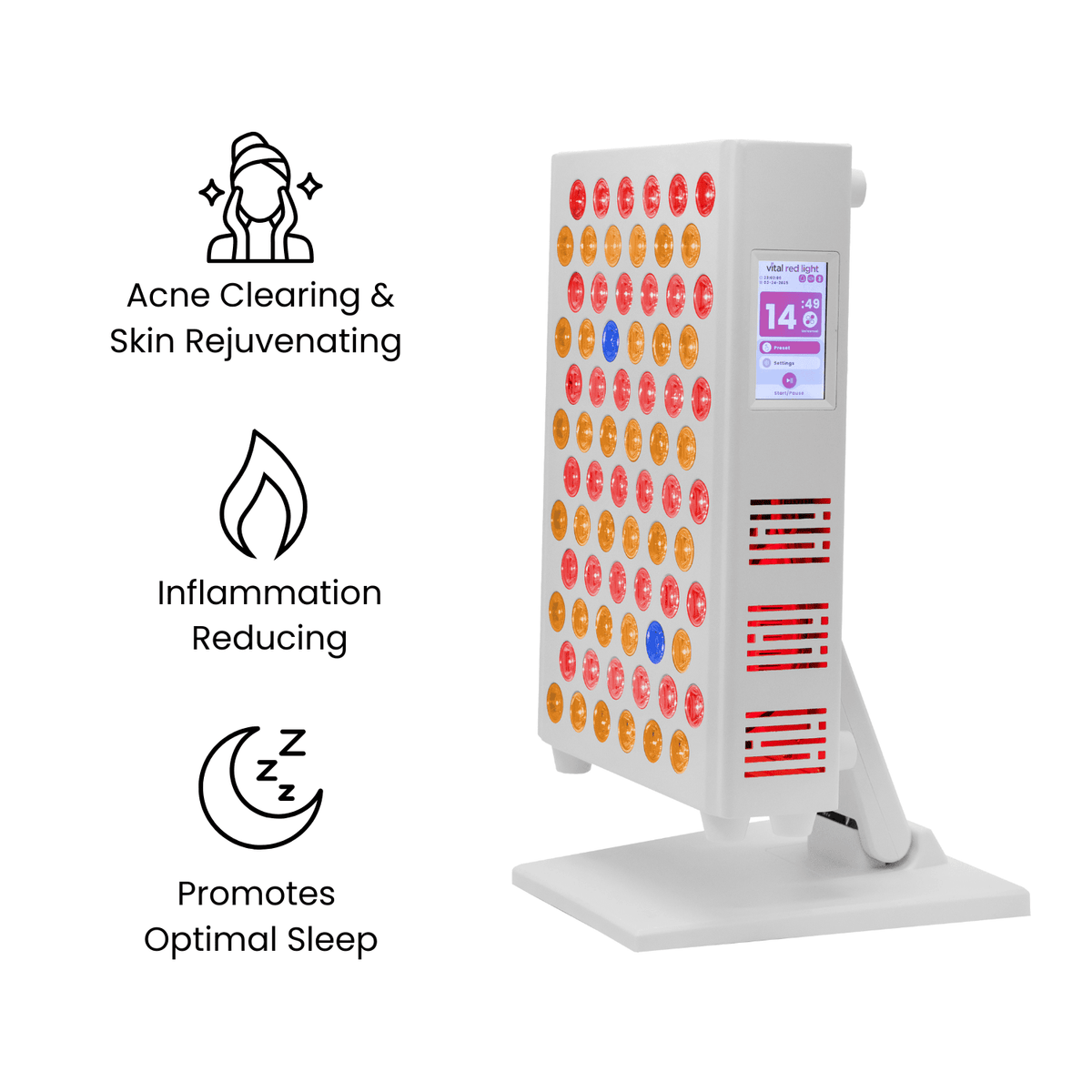
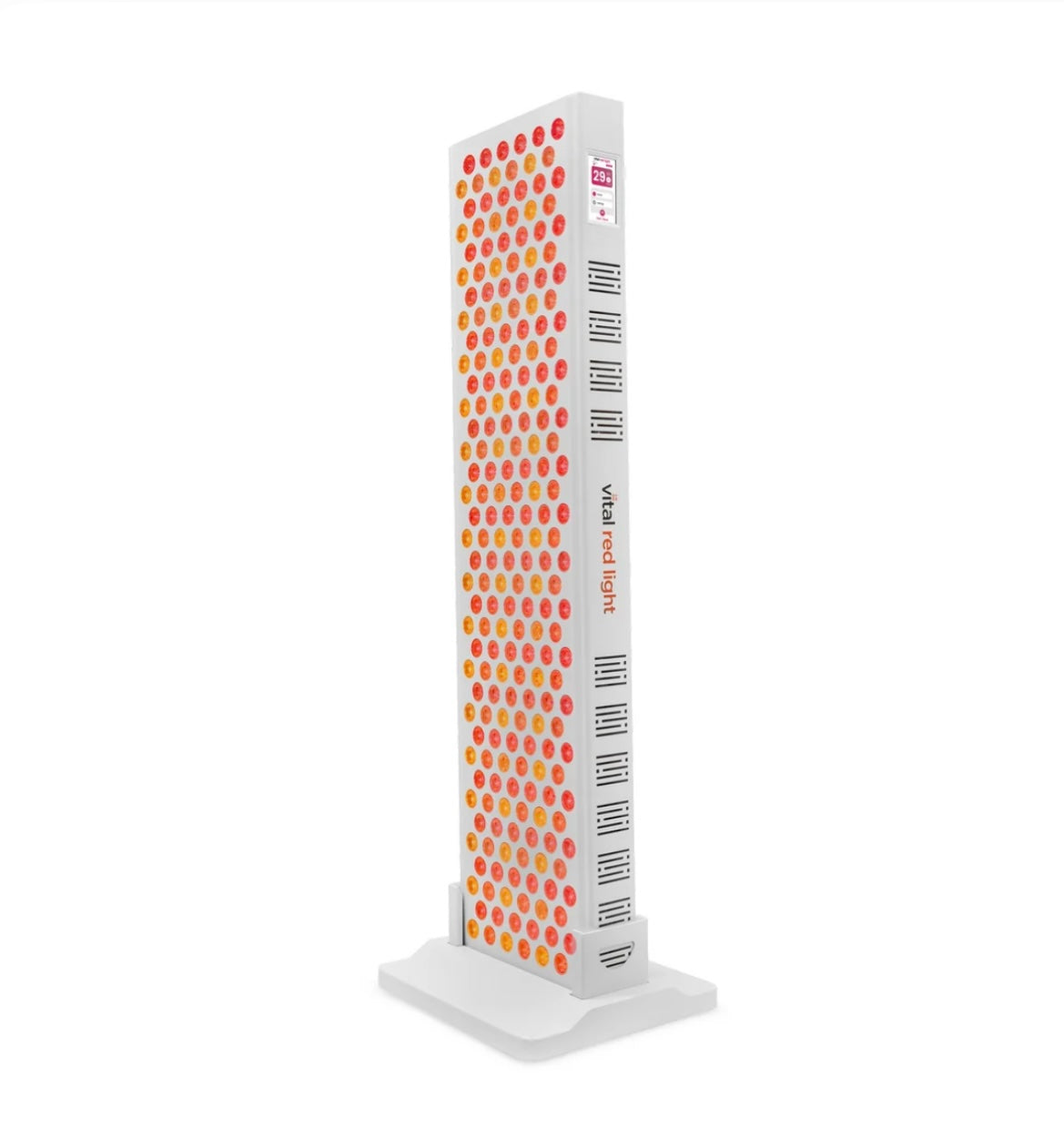
Beds provide full body coverage. Panel systems offer full-body or large-area coverage that enables systemic benefits. Helmets provide optimal scalp targeting. Match the device format to your primary goals.
4. Build Quality and Safety
Look for devices with flicker-free drivers (important for neurological safety), EMF management, and third-party certifications (FDA clearance, CE marking, RoHS compliance). Cheap components compromise both safety and efficacy.
5. Ease of Use and Consistency
The best device is the one you’ll actually use. Consider mounting options, session timers, portability, and whether the device fits your lifestyle and space.